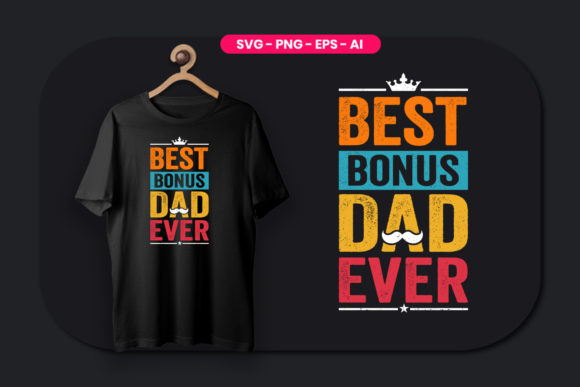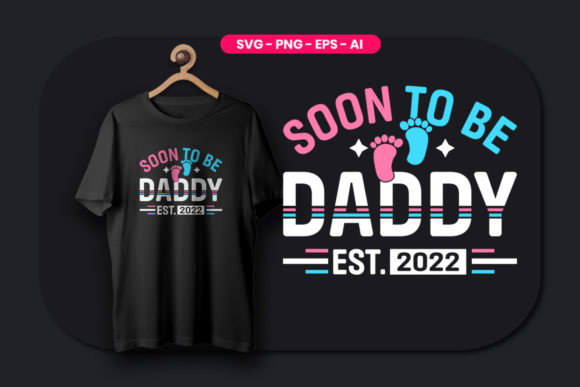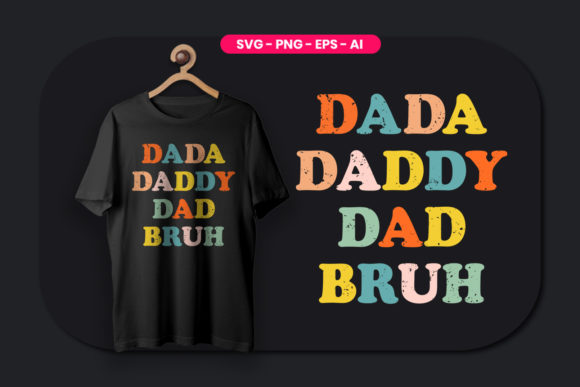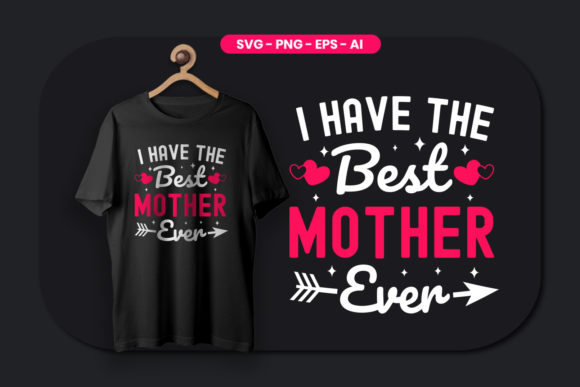
World’s Best Husband and Daddy
A Designer’s First Look: Warm, Clear, and Immediately Recognizable
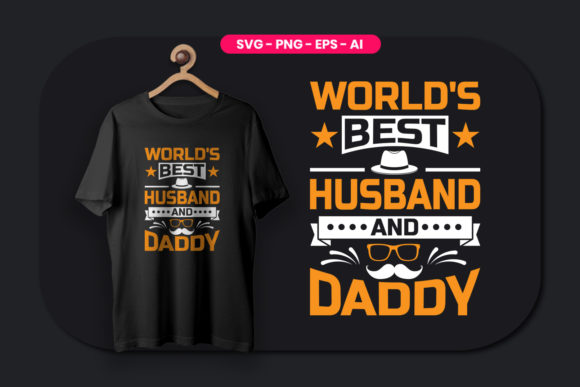
When I opened World’s Best Husband and Daddy for the first time, I didn’t see just another sentiment design—I saw a real-world embroidery opportunity. The layout is centered, balanced, and intentionally generous with spacing. There’s no clutter, no excessive flourishes, and no competing visual noise. That matters—especially when you’re stitching on a curved surface like a baby onesie or a structured tote bag. The font feels friendly but grounded: rounded enough to read easily at 3–4 inches wide, yet sturdy enough to hold up in satin stitch without bleeding or distortion. It leans into warmth and sincerity—not irony, not trend-chasing—and that’s exactly what makes it work across handmade products meant to be cherished.
How It Performs on Real Embroidery Projects
I tested World’s Best Husband and Daddy across three very different items: a midweight cotton tote bag, a French terry sweatshirt, and a 100% cotton baby blanket. On the tote, it stitched cleanly at 3.75" wide—no puckering, no thread breaks. The letterforms stayed crisp, and the overall shape held its presence without overwhelming the fabric. On the sweatshirt, I used medium cutaway stabilizer and a slightly slower speed; the design retained legibility even where the fabric had subtle texture. And on the baby blanket? It read beautifully at 3", soft and proud—not cutesy, not generic, but genuinely heartfelt.
This isn’t a design that demands special treatment—but it does reward thoughtful execution. As a machine embroidery design, it’s forgiving on standard hoop sizes (4x4 and larger), and its moderate stitch density keeps run time reasonable without sacrificing richness. It translates well as an embroidered patch, especially when backed with twill or felt. And because the composition is so clean, it scales down nicely for caps or aprons—just avoid going smaller than 2.5" unless you’ve verified small-letter clarity in your own test run.
Where to Use It—and Where to Pause
World’s Best Husband and Daddy shines on stable, medium-weight fabrics: canvas, denim, cotton twill, and fleece. It’s a natural fit for custom apparel, tote bag design, sweatshirt embroidery, and personalized gifts like pillow covers or kitchen towels. It also works well as a digital embroidery file for Etsy sellers offering instant-download designs—its straightforward theme appeals broadly, and its clean lines reduce customer support questions about legibility.
That said, use caution on highly textured or stretchy fabrics (like ribbed knits or jersey) without proper stabilizer testing. Avoid using it on ultra-thin fabrics like voile or lightweight rayon unless you’ve confirmed thread coverage and backing integrity. On dark fabric, check contrast carefully—some versions of this design rely on light thread tones, and those can fade visually without a white underlay or careful color selection. And while it reads well on flat surfaces, don’t assume it’ll behave the same on deeply curved areas like baseball cap fronts without adjusting placement or scaling.
Design Notes Every Embroidery Professional Should Check
- Test on scrap fabric first—especially if stitching on a new fabric blend or with unfamiliar thread brands.
- Review stitch density before scaling up: too dense = stiff, bulky results; too sparse = weak definition.
- Confirm hoop size compatibility: This design fits comfortably in a 4x4 hoop, but double-check if your version includes alternate layouts or optional elements.
- Inspect small details—particularly the dot over the “i” and the curve of the “g”—they’re simple, but they define personality.
- Try black-and-white mockups to gauge how it reads on both light and dark backgrounds before finalizing product photos.
- Use appropriate stabilizer: Medium cutaway for knits, tear-away for stable wovens, and fusible + cutaway for lightweight or delicate items.
- Verify licensing before selling finished items or listing the digital file—this is a Graphics file sold as a T-Shirt Designs asset, and commercial rights aren’t implied unless explicitly stated.
What It Adds to Your Craft Business—and What It Doesn’t
World’s Best Husband and Daddy doesn’t pretend to be avant-garde. It doesn’t need to. Its strength lies in resonance—not novelty. For Etsy sellers and small shop owners, it’s a reliable bestseller around Father’s Day, birthdays, and baby showers. Customers recognize the sentiment instantly, and that builds trust faster than abstract or overly clever alternatives. When stitched cleanly, it elevates a basic tote or sweatshirt into a meaningful handmade product. It supports brand consistency for shops focused on family-centered gifting, and it pairs well with complementary designs (think coordinating “World’s Best Mom” or nursery-themed motifs).
But let’s be clear: this design won’t carry your entire catalog. It’s not a signature style—it’s a dependable utility player. Its value comes from how effortlessly it integrates into your workflow and how confidently customers receive it. I’ve seen it turn a simple tea towel into a holiday gift people display proudly. I’ve seen it become the centerpiece of a boutique’s “Dad Collection” launch, paired with embroidered caps and matching mugs.
A Final Thought Before You Stitch
If you’re evaluating World’s Best Husband and Daddy for client work, craft fairs, or digital listings, ask yourself one question: *Does this feel like something someone would keep, wear, and hand down?* Not because it’s flashy—but because it’s sincere, legible, and built to last more than one wash cycle. That’s the quiet mark of a strong embroidery project. It’s not about perfection. It’s about presence. And this design delivers that—cleanly, kindly, and without fuss.