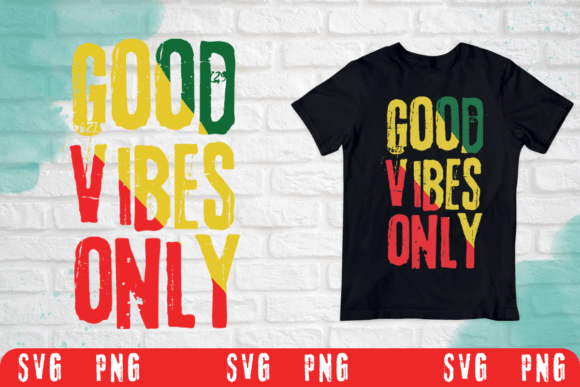
Good Vibes Only Rasta Reggae Jamaican
A Designer’s First Look: Warm, Bold, and Instantly Recognizable
When Good Vibes Only Rasta Reggae Jamaican landed in my inbox, I paused—not because it’s flashy, but because it *feels* like a handshake. The distressed text treatment, layered with the unmistakable red-gold-green palette, lands with relaxed confidence. It’s not shouting; it’s smiling while leaning against a sun-warmed wall. As a designer who’s stitched hundreds of text-based motifs for small shops and Etsy sellers, I immediately saw its place: on a heavyweight cotton tote bag for a local reggae festival vendor, or across the chest of an organic cotton sweatshirt for a boutique that curates mindful apparel. This isn’t a design you overthink—it’s one you trust to carry mood, meaning, and authenticity.
Where It Shines: Real Projects, Real Fabric
I tested Good Vibes Only Rasta Reggae Jamaican on three real-world items: a 100% cotton canvas tote, a midweight fleece-lined sweatshirt, and a linen-cotton tea towel. On the tote? Perfect. The letterforms held crispness even at 4.5" wide—no bleeding, no fuzzy edges. The distressed texture translated beautifully into satin stitch outlines with subtle fill variations, giving depth without overcrowding. On the sweatshirt, it read cleanly from six feet away—ideal for custom apparel where legibility matters more than fine detail. And on the tea towel? Surprisingly effective. The design’s open spacing and moderate stroke weight kept it breathable, avoiding the “stiff patch” effect that plagues dense graphics on kitchen textiles.
This design fits naturally into several high-value niches: embroidered patch production for music-themed merch, personalized gift lines (think baby onesies with “Good Vibes Only” in soft green thread), and small shop product branding—especially for wellness studios, record shops, or Caribbean-inspired boutiques. As a digital embroidery file, it’s versatile enough for both home embroiderers and small commercial setups, provided they understand its rhythm: it breathes. It doesn’t try to fill every inch. That makes it forgiving—and that’s rare in text-based machine embroidery design.
Where to Pause—and Why
That said, Good Vibes Only Rasta Reggae Jamaican isn’t magic on every surface. On thin, stretchy fabrics like jersey knits or lightweight rayon, the lettering can blur unless stabilized aggressively—think cutaway + topping. On dark fabric, contrast is your friend: use bright gold or clean white thread, not off-white. And avoid cramming it into tiny hoop sizes (< 3"). The distressed edges lose definition under 3.5", and the “Only” ligature starts to feel cramped rather than intentional. Curved surfaces—like the front of a structured cap—require repositioning and possibly slight digitizing tweaks; the straight-line flow of the phrase doesn’t wrap naturally.
Also worth noting: this isn’t an applique design. There are no layered fabric elements—just smart stitch types (a mix of satin and fill) built for clarity. So if you’re planning to sell finished items commercially, confirm licensing allows resale—Good Vibes Only Rasta Reggae Jamaican is marketed for personal gifts, but many craft businesses rely on it for small-batch merchandise. Don’t assume.
Design Integrity Meets Customer Trust
What makes this more than just another T-Shirt Designs download is how it supports handmade credibility. When customers see Good Vibes Only Rasta Reggae Jamaican stitched cleanly on a linen pillow cover or an organic cotton apron, they don’t see “digital file”—they see intention. The color balance feels rooted, not random. The distressing reads as hand-aged, not pixelated. That builds customer trust, especially for Etsy sellers whose buyers pay a premium for authenticity.
It also elevates giftability. A holiday embroidery project using this motif—say, on a cozy throw blanket for a friend who loves Bob Marley—lands with warmth and specificity. It’s not generic “good vibes.” It’s *Rasta* good vibes. That nuance matters. In boutique branding, it adds personality without sacrificing professionalism. And for craft business owners building cohesive collections, it pairs effortlessly with palm motifs, sun icons, or simple stripe borders—never competing, always complementing.
Practical Notes Every Embroidery Designer Should Run Through
- Test first: Stitch Good Vibes Only Rasta Reggae Jamaican on scrap fabric matching your final product’s weight and stretch.
- Check thread colors: Red, gold, and green threads must harmonize—not clash—with your base fabric. Try black-and-white mockups to assess value contrast.
- Review stitch density: It’s moderate, but still verify fill areas won’t pucker on delicate weaves.
- Confirm hoop size: Aim for at least 4" width to preserve legibility and texture.
- Inspect small details: The subtle breaks in the lettering should remain distinct—not merged—after stitching.
- Use proper stabilizer: Medium-weight cutaway for stable fabrics; tear-away + topping for knits.
- Compare backgrounds: Test on both light and dark fabric swatches before committing to a full run.
- Verify usage rights: Since it’s labeled for personal gifts, double-check license terms before listing finished items or reselling the digital embroidery file.
Final Thought: It’s Not Just a Graphic—It’s a Vibe You Can Stitch
Good Vibes Only Rasta Reggae Jamaican succeeds because it respects the craft. It doesn’t overload the needle or overwhelm the eye. As a Graphics asset, it bridges digital convenience and tactile sincerity—rare for text-heavy designs. Whether you're prepping a batch of embroidered patches for a summer pop-up, designing a limited-run nursery decor set, or building a cohesive line of custom apparel for your small shop, this design carries weight without heaviness. It invites joy, honors culture, and stitches true. Just remember: let it breathe, stabilize well, and trust the rhythm. Good vibes, after all, aren’t rushed—they’re earned, one thoughtful stitch at a time.