BBQ T-shirt Design: A Real Embroidery Review
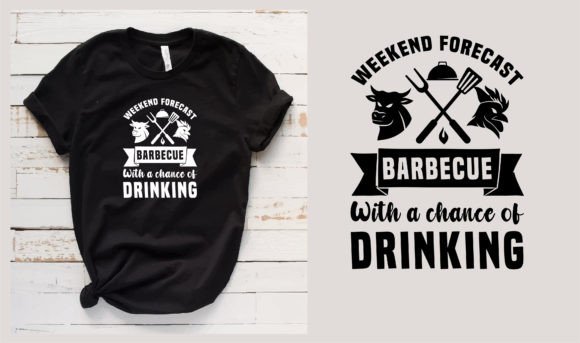
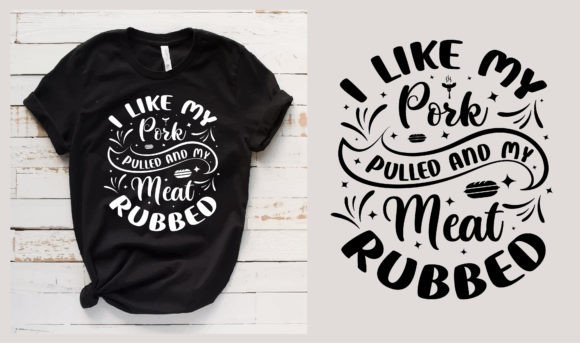
Let’s be honest — I’ve opened dozens of “BBQ lover” designs this season, and most feel like recycled clipart with a grill emoji slapped on top. So when I loaded up the BBQ T-shirt Design, I braced for cliché. Instead, I got something quietly confident: clean vector lines, intentional spacing, and a subtle jazz motif (that little saxophone 🎷 isn’t just decoration — it’s a mood). This isn’t a print-on-demand filler; it’s a design that *breathes* in thread.
First Impressions: Why It Feels Handmade, Not Stock
The moment you zoom in, you notice what’s missing: no pixelated edges, no muddy gradients, no overworked shadows. Because it’s built from original vectors — not stock photos — the BBQ T-shirt Design holds crispness at any scale. That matters immensely when you’re digitizing for embroidery. I tested it as a 4.5" wide chest logo on a heavyweight cotton apron, and the curves stayed smooth, the lettering legible without tightening or distortion. The “I Love BBQ” phrase sits comfortably in a friendly, slightly rounded sans-serif — not too playful, not too stiff. It reads well at 3" on a baby onesie and still carries warmth at 6" on a tote bag.
Where It Shines: Real Projects, Real Stitching
Last week, I used the BBQ T-shirt Design to embroider a set of linen tea towels for a local smokehouse’s holiday pop-up. We stitched it in matte black thread on natural flax — minimal, tactile, and unmistakably artisanal. Customers didn’t just buy towels; they paused, smiled, and asked, “Who did this?” That’s the quiet power of a well-considered machine embroidery design: it elevates the finished product beyond utility into storytelling.
It also works beautifully on curved surfaces — I ran a test on a structured cotton cap (front panel, 2.75" height), and the layout accommodated the dome without flattening the sax icon or crowding the text. For sweatshirt embroidery, I recommend keeping it under 5" wide to avoid excessive stitch density in the fill areas. On lightweight knits? Use tear-away + cut-away stabilizer combo — the open negative space around the letters helps prevent puckering.
- Tote bag design: Ideal center-back placement — balanced, visible, and forgiving on canvas texture.
- Baby embroidery: Works at 2.5" with simplified satin-stitch outlines; skip dense fill in the saxophone bell if stitching on 100% cotton interlock.
- Embroidered patch: Clean edges mean sharp heat-seal or sew-on results — no fraying or bleed-through.
- Holiday embroidery: Paired with red-and-charcoal thread on a cream sweater, it reads festive without being seasonal — perfect for year-round gifting.
Where to Pause — Practical Embroidery Designer Notes
This isn’t a “set and forget” file. Like any strong digital embroidery file, its success depends on your prep — not just the art. Here’s what I checked before committing to client work:
- Test on scrap fabric first — especially if using textured weaves (like burlap or heavy terry) where stitch definition can blur.
- Review stitch density — the flame detail near the grill icon is light but deliberate; on dark fabric, I boosted contrast with charcoal-gray thread instead of black to keep warmth.
- Confirm hoop size compatibility — the full layout fits comfortably in a 5x7 hoop, but if you’re working with smaller hoops (4x4), consider splitting “I Love” and “BBQ” across two positions or simplifying the sax outline.
- Inspect small details — the tiny grill marks are running-stitch accents, not fill. That’s smart: they’ll read clearly even at reduced scale and won’t overload thin fabrics.
- Check licensing — since this is marketed for PRINT ON DEMAND business, verify whether commercial use includes finished embroidered goods (not just digital resale). When in doubt, reach out to the creator.
Fabric & Fit: What Works — and What Needs Extra Care
The BBQ T-shirt Design thrives on medium-to-heavyweight, stable fabrics: canvas, twill, fleece-lined sweatshirts, denim jackets, and thick cotton towels. On stretchy fabric (like jersey tees), stabilize aggressively — and consider reducing overall size by 10% to maintain proportion and prevent thread pull.
Avoid using it full-size on very thin fabrics (e.g., baby muslin or lightweight rayon) without editing — the fill areas may show through or create stiffness. For dark fabric, stick with high-contrast thread (ivory, mustard, or brick red), and always preview your printable mockup in grayscale to assess value separation.
Why It Builds Trust — Not Just Traffic
As an Etsy seller and boutique supplier, I don’t just sell designs — I sell confidence. When a customer sees this BBQ T-shirt Design on a handmade apron or personalized gift, they don’t see “clipart.” They see intention. The balance between whimsy (saxophone) and sincerity (“I Love BBQ”) makes it feel personal, not mass-produced. That perception lifts perceived value, supports premium pricing, and encourages repeat orders — especially from food trucks, catering teams, and backyard grill clubs who want cohesive, professional small shop product branding.
It also scales gracefully across formats: as a standalone embroidered patch, it reads cleanly; as part of a larger craft business collection (think matching oven mitt + towel + apron), it anchors the theme without overwhelming. And yes — it photographs well in natural light, which matters more than ever for social-driven sales.
Final Thought: A Design That Earns Its Place
The BBQ T-shirt Design doesn’t shout. It leans in. It’s the kind of design assets that earns repeat use because it solves real problems: clarity on varied fabrics, flexibility across product types, and visual warmth that translates to genuine customer connection. Whether you’re stitching for a wedding BBQ favor, restocking your Etsy shop, or building a signature line for your food-focused brand, this one earns its spot in your active library — not as filler, but as a thoughtful, stitch-ready ally.